Articles, how-to’s, opinion and tips and tricks in the self-publishing arena
Ten Terrible Beginnings That Authors Should Avoid
What beginnings are done to death? Why are some beginnings actually before the beginning? When is less more, and when is more needed? Let’s look at some of the corniest, dullest, and hackneyed of all beginnings, and why you should avoid using them.
Here’s a definition of a literary trope from Wikipedia:
[…]A literary trope is the use of figurative language – via word, phrase, or even an image – for artistic effect such as using a figure of speech. The word trope has also come to be used for describing commonly recurring literary and rhetorical devices, motifs or clichés
 What should authors expect from a sample edit, and how do you obtain one?
 As non-native English speaking authors are enticed to the self-publishing industry, what are the challenges for writing a book in English, and how can authors enter the market successfully?
 We’re faced with a huge social pressure of being ‘engaged online’ to sell our books as self-publishers, but is our carefully-crafted content being absorbed?
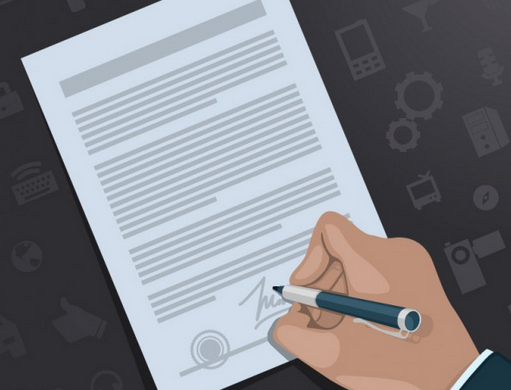 Choosing a book editor should be based on whether the editor is a sound and clean worker with knowledge and experience in the language you have written in, using curated or affiliated professionals (I’m with the EFA and listed on Blurb, Reedsy, and ALLi – I think these are good places to start). Despite this transparency in my trade, there seems to be a new wave of paranoia. I keep being asked to sign NDAs (Non-Disclosure Agreements) to edit your books. An an editor, I’m not happy about this. Why? Well, here are seven reasons.