

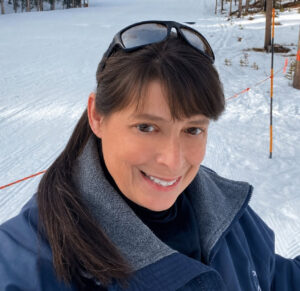
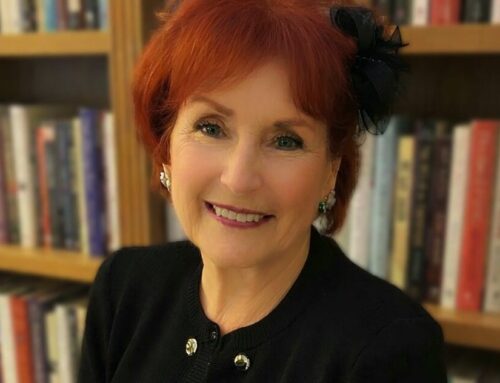
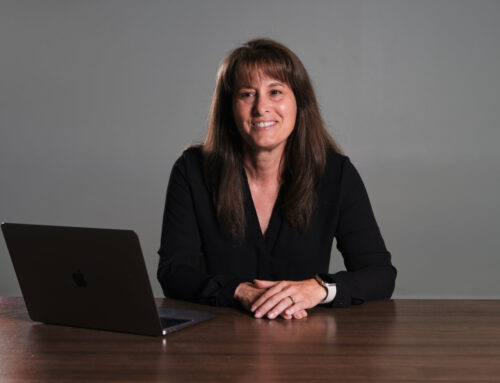
 D.R. Berlin is an award-winning author of mystery, suspense, and thriller fiction, U.S. Army veteran and general surgeon, with degrees from MIT and the Albert Einstein College of Medicine.
She is the author of The Third Estate series, a cinematic thriller world of espionage, conspiracy, family secrets, and emotional risk. Her background in science, medicine, and military service brings authentic tension and procedural realism to stories shaped by danger, precision, loyalty, and consequence.
When she is not writing, she is often behind the camera at her children’s sports events, where she has earned the nickname “Mamarazzi.”
Tell us about your book.
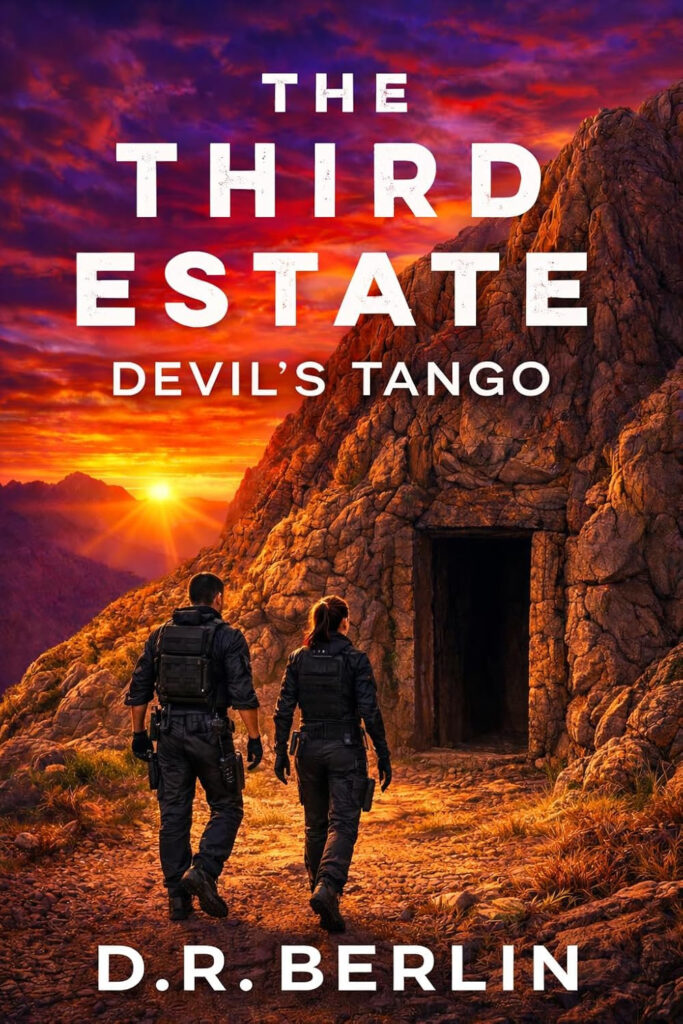
The Third Estate: Devil’s Tango is a fast-paced mystery thriller about Sophie Allard, a disciplined military officer and medical student whose carefully controlled life collapses after a dying gunshot victim whispers a cryptic message meant for someone else.
Within hours, Sophie is suspended, framed for murder, and targeted by people determined to erase every trace of the truth. Her only possible ally is Kai Lovac, a legendary assassin with his own enemies, secrets, and reasons for finding the same answers.
Forced into an uneasy alliance, Sophie and Lovac follow a trail of coded messages, hidden laboratories, vanished evidence, and deadly betrayals. Each discovery draws them closer to the Third Estate, a covert organization powerful enough to manipulate institutions, eliminate threats, and remain invisible.
At its heart, the novel explores trust, loyalty, identity, and the cost of surviving when every alliance carries a risk. It combines cinematic action, psychological suspense, military and medical realism, and morally complex characters in a story where one wrong move could prove fatal.
Why did you want to write a book?
I wanted to write a book because I have always been fascinated by the choices people make under pressure. As a surgeon and Army veteran, I have seen how discipline, fear, loyalty, and courage can collide in a single moment.
Writing gave me a way to explore those forces through fictional characters placed in extraordinary circumstances. I wanted to create a suspenseful story filled with mystery and danger, but I also wanted the characters to feel human, flawed, and emotionally real.
Ultimately, I wrote The Third Estate: Devil’s Tango to entertain readers while exploring trust, identity, sacrifice, and the consequences of one life-changing decision.
Why did you choose to self-publish?
I chose to self-publish because I wanted greater control over every aspect of the book, from the story and editing to the cover, formatting, marketing, and release schedule.
Self-publishing allowed me to assemble my own professional team and make decisions based on what served the novel and its readers rather than fitting the book into a traditional publishing timetable. It also gave me the freedom to build The Third Estate series at my own pace while maintaining ownership of my work.
The process requires persistence, investment, and a willingness to learn the business side of publishing, but I value the creative independence and direct connection with readers it provides.
 What tools or companies did you use, and what experience did you have?
I used a combination of professional services and publishing platforms. I worked with developmental editors, line editors, proofreaders, cover designers, and formatting tools to prepare the manuscript for publication. I also used online distribution and marketing platforms to release the book, reach readers, and manage advertising.
My experience was both challenging and rewarding. I had to learn far more than writing, including editing, production, cover design, metadata, advertising, and the business side of publishing. Some parts involved trial and error, but each step taught me how to make stronger decisions and produce a more professional book.
The most valuable lesson was that self-publishing does not mean doing everything alone. Building the right team, listening to expert feedback, and investing in quality made a significant difference in the final product.
Would you self-publish again?
I would absolutely self-publish again.
The process demands time, patience, money, and a willingness to learn from mistakes, but the creative freedom makes it worthwhile. I can choose my team, protect the integrity of the story, control the release schedule, and make decisions based on what is best for the book and its readers.
Self-publishing also taught me that independence does not mean working alone. The right editors, designers, formatters, and marketing professionals can elevate a manuscript while allowing the author to remain in control. It is challenging, occasionally frustrating, and never as simple as uploading a file and pressing publish. But seeing the finished book in readers’ hands makes every difficult step worth it.
What do you think are the main pitfalls for indie writers?
The biggest pitfalls for indie writers are rushing the process, underestimating the business side of publishing, and trying to do everything alone. A strong story still needs professional editing, proofreading, formatting, and cover design. Skipping those steps can make a good book appear unprofessional. Many writers also focus so heavily on finishing the manuscript that they neglect metadata, pricing, advertising, distribution, and building an audience.
Another common mistake is expecting immediate success. Publishing is rarely a single launch followed by effortless sales. It takes persistence, experimentation, continued marketing, and a willingness to adjust when something does not work.
Indie writers also need to protect their time and money. Not every service, advertisement, or promotional opportunity delivers value. Researching companies, checking references, and understanding contracts are essential.
The greatest pitfall, however, is believing self-publishing means doing everything yourself. Independence means controlling the decisions, not refusing help. The right professional team can strengthen the book while allowing the author to preserve the story and creative vision.
What tips can you give other authors looking to self-publish?
Invest in professional editing, proofreading, formatting, and cover design. Readers notice quality, and a strong first impression matters.
Learn the business side early. Understand metadata, categories, keywords, pricing, distribution, advertising, and release planning before the book launches. Set a realistic budget, research every service, and avoid anyone promising guaranteed bestseller status.
Build a dependable team, but remain involved in every decision. Self-publishing gives you control, not immunity from mistakes. Listen to expert feedback while protecting the heart of your story.
Start marketing before publication and expect to keep promoting afterward. Most books need time, repeated exposure, and experimentation to find their audience.
Above all, be patient. Do not rush a manuscript simply because you are eager to publish. Produce the best book you can, learn from every launch, and treat setbacks as information rather than failure.
What was your steepest learning curve during the publishing process?
My steepest learning curve was marketing. Writing the book felt familiar, but learning how to position it for readers required an entirely different skill set. I had to understand categories, keywords, metadata, advertising, social media, pricing, and what makes someone stop long enough to notice a book.
I also learned that publishing does not end when the manuscript is finished. A strong cover, polished description, professional editing, and a clear marketing plan all matter. Much of the process involved trial and error, studying the results, and adjusting when something failed.
The biggest lesson was that writing a good book and selling a good book are two separate jobs. Both require patience, strategy, and persistence.
As a writer, what is your schedule? How do you get the job done?
I have a full-time job, so I write in my spare time, usually in the evenings, on weekends, or whenever I can carve out a quiet stretch. I do not follow a rigid daily word-count schedule. I write because I genuinely enjoy it, not because I want it to feel like another obligation.
The job gets done through consistency and persistence. Some days I write several pages. Other days I revise a paragraph, work through a plot problem, or make notes for the next scene. Even a small amount of progress keeps the story moving.
Balancing two careers requires patience, but writing gives me a creative outlet from the demands of my professional life. I keep returning to the manuscript because I enjoy the characters, the mystery, and the challenge of turning an idea into a finished book.
How do you deal with writer’s block?
I have been fortunate not to struggle with writer’s block. Ideas tend to keep coming, and I usually know where the story needs to go next.
When I am not actively writing, I am often thinking through scenes, characters, or plot problems in the background. By the time I sit down, I usually have something waiting to be written. I also give myself permission to move between drafting, revising, outlining, and research, so the work never feels completely stalled.
For me, the bigger challenge is finding enough time to write, not finding the words.
Tell us about the genre you wrote in, and why you chose to write this sort of book.
I write mystery, thriller, and suspense, with elements of military fiction, espionage, and psychological drama. I chose this genre because I enjoy stories that place intelligent, capable characters under extreme pressure and force them to make difficult choices with real consequences. Thrillers allow me to combine fast-paced action with deeper questions about trust, loyalty, identity, and moral compromise. I am especially drawn to secret organizations, hidden motives, coded information, and characters who are never entirely what they seem.
My background as a surgeon and Army veteran also influences the way I approach the genre. I enjoy bringing medical and military detail into the story while keeping the focus on the characters and the emotional cost of their decisions.
Ultimately, I wanted to write the kind of book I enjoy reading: cinematic, suspenseful, character-driven, and difficult to put down.
Who are your biggest writing inspirations and why?
I admire Agatha Christie for her intricate mysteries, carefully planted clues, and ability to keep readers guessing until the final reveal. Sir Arthur Conan Doyle inspired me through Sherlock Holmes, especially the emphasis on observation, logic, and solving problems others overlook.
Robert Ludlum influenced my love of fast-paced thrillers filled with conspiracies, shifting loyalties, hidden identities, and characters forced to survive when powerful organizations turn against them.
Each writer brings something different to the page, but all three understand how to create tension, memorable characters, and stories that compel readers to keep turning pages.
How do your friends and family get involved with your writing? What do they think of your book?
My friends and family have been very supportive throughout the writing and publishing process. They listen when I talk through plot problems, celebrate milestones, and offer honest reactions when I ask for feedback. Some have also served as early readers, helping me see where a scene works, where the pacing slows, or where something needs more explanation.
They understand that writing takes time, especially while I am working a full-time job, and they have encouraged me to keep going even when the process becomes demanding. Their response to the book has been very positive. They are proud that I took an idea and carried it all the way through to publication. I think they also enjoy recognizing small details inspired by my medical and military background, even though the characters and story are entirely fictional.
Most of all, they have supported the fact that writing is something I genuinely enjoy. That encouragement has meant a great deal to me.
What are your plans now your book is published?
Now that the book is published, I plan to enjoy the accomplishment, take a breath, and appreciate how far the project has come. Writing and publishing a novel requires a tremendous amount of time and effort, so I want to give myself a moment to celebrate finishing it. Then I will dive into the next book. The story is already outlined, and I already have the cover, so I am excited to begin turning the plan into a finished manuscript.
For me, publishing one book is not the end of the process. It is the beginning of the next story.
Why did you write about this particular subject?
I wrote about this subject because I am fascinated by the question of who truly holds power. Are the people we elect making the important decisions, or are corporations, wealthy individuals, private organizations, or secret societies influencing events from behind the scenes? That question creates a perfect foundation for a thriller. It opens the door to hidden agendas, shifting loyalties, manipulated institutions, and characters who discover that the world does not operate the way they believed.
Through the Third Estate, I wanted to explore what happens when influence becomes invisible, and accountability disappears. The story is fictional, but the central question feels real: how much of what we see is genuine, and how much has already been decided by people we will never know exist?
What did you learn on your journey as an author?
I learned that writing a book takes far more patience, discipline, and persistence than I expected. Finishing the first draft was only the beginning. Revision, editing, cover design, formatting, publishing, and marketing each required different skills and a willingness to keep learning.
I also learned the importance of accepting constructive criticism without losing sight of my own vision. The right feedback can strengthen a story, but the author must still decide what belongs in the book.
Most of all, I learned that progress does not have to happen quickly to matter. I wrote while working a full-time job, often using small pockets of spare time. Page by page, those moments became a finished novel.
The journey taught me to trust the process, build the right team, remain flexible, and keep going when the work became difficult. Seeing the completed book made every revision, mistake, and lesson worthwhile.
What’s next for you as an author?
Next, I am moving on to the third book in The Third Estate series, followed by the fourth. The larger story continues to grow, and I am excited to explore new threats, deeper secrets, and the consequences of everything that has already happened.
I already have ideas and plans in place, so there is no shortage of material waiting for me. My goal is to keep building the series, challenge the characters in new ways, and give readers more of the suspense, mystery, and action they enjoyed in the earlier books.
For me, finishing one novel only creates the urge to begin the next.
Author Links




Get an Editorial Review | Get Amazon Sales & Reviews | Get Edited | Get Beta Readers | Enter the SPR Book Awards | Other Marketing Services


Leave A Comment