

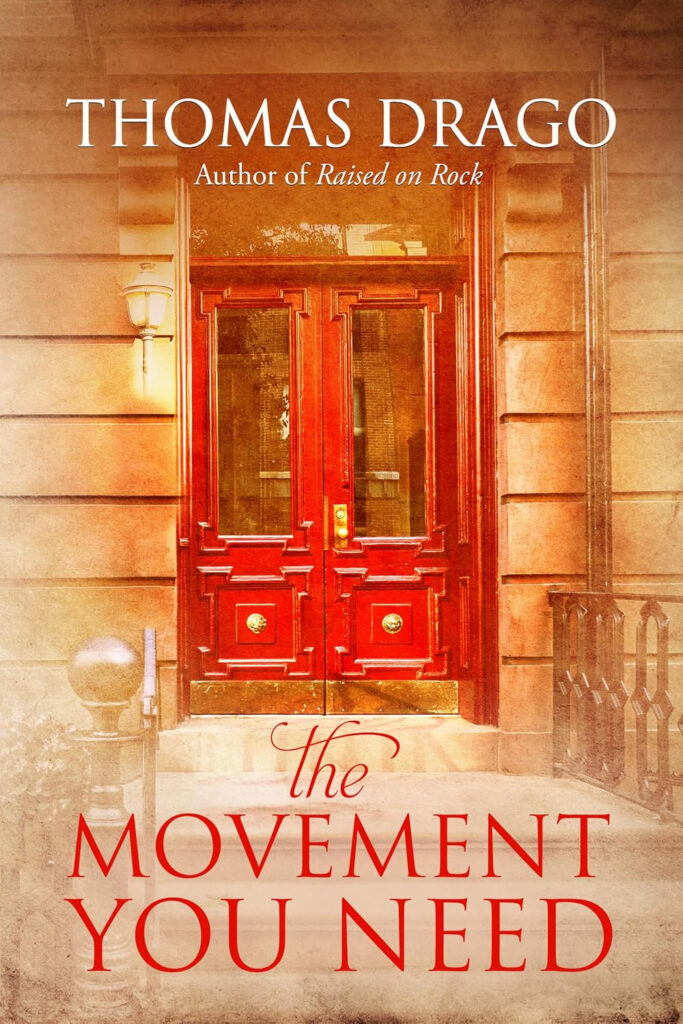
A theatrical but grounded story of midlife love, loss, and our long journey of purpose, The Movement You Need by Thomas Drago is raw and comforting at once.
An aging director has poured his post-divorce and post-pandemic life into a resilient regional theatre program, while reopening his heart to Talia, the captivating and irreplaceable stage manager. New opportunities threaten to pull her away from his struggling stage, forcing him to emotionally reckon with old wounds, new fears, and the looming unknown future.
David continues to deal with problems pressing in from every side – poor ticket sales, fire code violations, secretive stage managers, and arrogant actors, not to mention the string of unsolved break-ins that has landed at his scene shop. As personal and professional lines gradually dissolve, and the financially strapped theatre pulls out every stop to save its future, David and Talia must both decide whether they’re “rehearsing for a relationship or living in one.”
Beneath the richly crafted characters that populate these pages, Drago has a knack for capturing the subtle mood of a moment – the steady sense of foreboding before a critical miscommunication, an offhand comment that redefines a relationship, or a visceral scattershot of description that forcefully places readers in a scene. The prose nails the dramatic aura of juggling too many problems at once, a sensation that anyone who has dabbled in the performing arts will recognize, or who has faced any kind of professional pressure.
Given the plot and central conflict of this novel, it comes as no surprise that themes of second chances, regret, loneliness, fears of mortality, insecurity, and varied forms of love dominate the subtext. David’s internal dialogues about intergenerational connection and his quiet fears of being over the hill – artistically, physically, and emotionally – give readers access to his most vulnerable corners. The style of narration resembles a stream of consciousness, giving the prose an immediacy that shapes every scene based on David’s scattershot attention and the variable speed of his perception. His delicate relationship with his ex, Ashley, is a powerful element of the plot, adding emotional weight and complexity to an already tangled cast of forces.
Drago carefully covers the nuanced emotional spectrum of an older man in the thrall of a younger woman; the prose doesn’t miss a chance to dig deep into the less attractive corners of devotion. At the same time, the protagonist’s internal quibbling can feel repetitive in a way that veers on obsessive, and some of his unspoken thoughts come off as entitled, desperate, and even emotionally manipulative, which can make him a less sympathetic lead character. His subsequent self-awareness that he is “acting like a teenager” is rightly deserved, but readers might appreciate seeing a more radically changed mindset over the course of David’s developmental arc.
Structurally and technically, the writing is tight and clearly manicured, with a dearth of wasted words, and each dialogic exchange rings with authenticity, wit, and everyday intimacy. Simultaneously cinematic and theatrical, this character-driven drama is an unflinching portrait of personal growth, revealing our collective hunger for connection, self-expression, and acceptance, for a stirring and thought-provoking work of contemporary fiction.
Book Links




STAR RATING
Design
Content
Editing
Get an Editorial Review | Get Amazon Sales & Reviews | Get Edited | Get Beta Readers | Enter the SPR Book Awards | Other Marketing Services



















Leave A Comment