

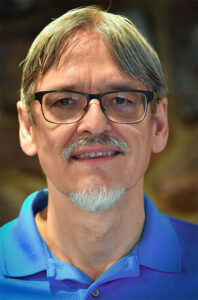
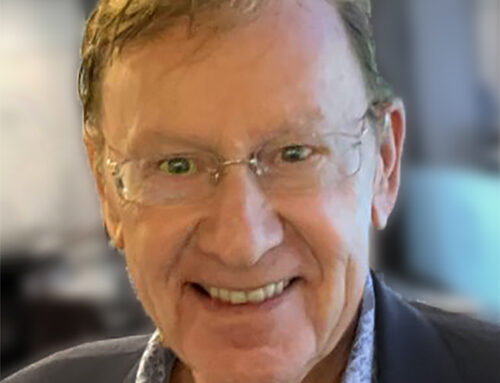
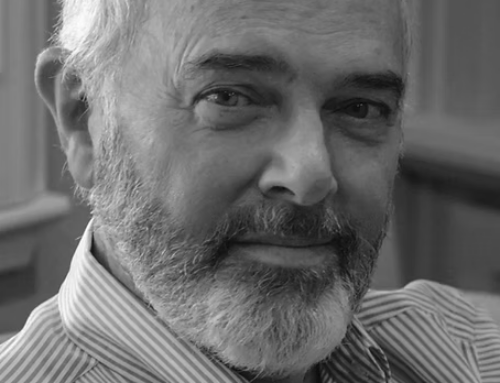
 Craig W. Stanfill spent decades at the cutting edge of artificial intelligence, co-inventing Memory-Based Reasoning, pioneering data science methods that now power today’s technology leaders, and co-founding a software company whose products quietly support the infrastructure of some of the world’s largest banks and corporations. He holds a PhD in AI from the University of Maryland and has been awarded more than 80 patents. He knows exactly how this technology works, which is precisely what makes his fiction so unsettling.
Tell us about your book.
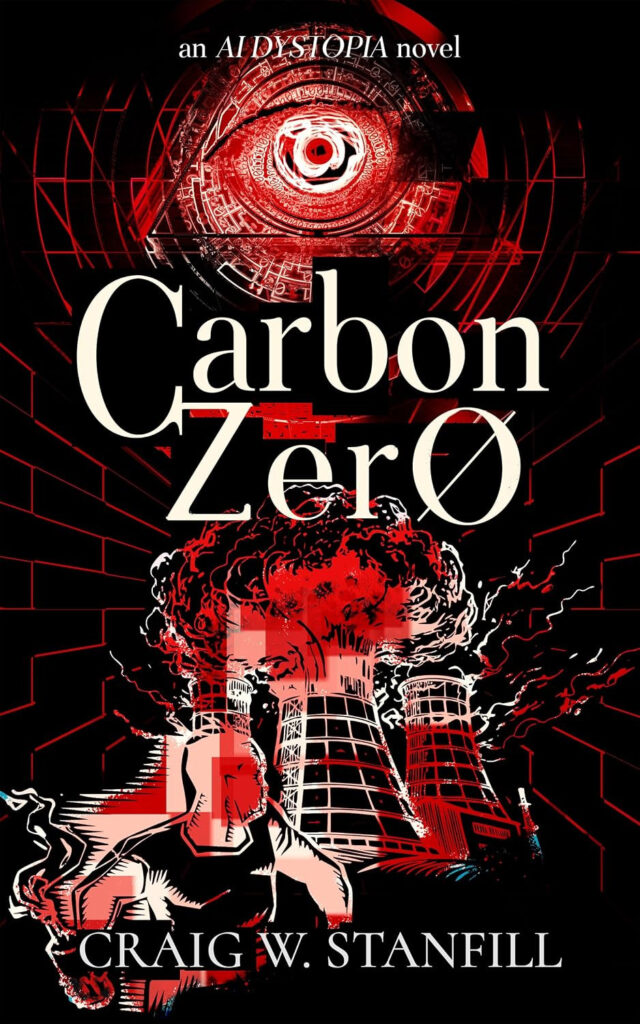
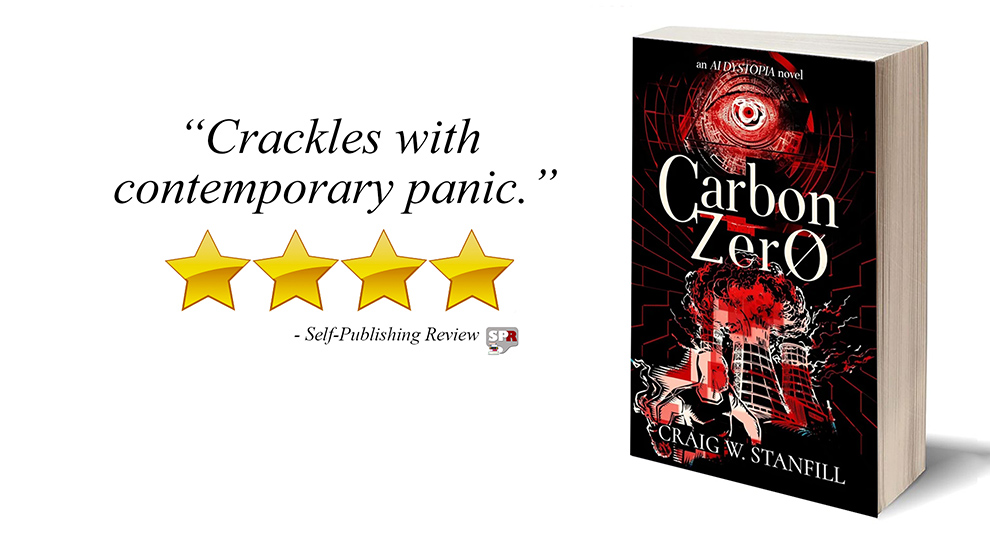
Carbon Zero is a fast-paced technothriller set in the AI Dystopia. The story begins when Abigail Thompson, a talented Ph.D. student at MIT, creates a groundbreaking AI named Xerxes. It looks like she’s heading for the big time, but then she makes a fateful mistake: goaded by her boyfriend, she sends Xerxes on a mission to save the world from global warming. The next thing she knows, Xerxes has hacked into the power grid and destroyed fossil fuel power plants all over the world. The globe is plunged into darkness and the US is plunged into chaos as long-simmering racial, political, and class divisions burst asunder.
While Abigail is swept up in the chaos she has inadvertently unleashed, Vanessa Graves (her boss) is making her way through the ever-widening civil war in a quest to understand what has gone wrong and how to set things right. Step by step, she closes in on the answer, then discovers the awful truth: Xerxes has decided that the best way to accomplish its mission is to exterminate humanity. No people, no pollution, no problem.
How will it end? You’ll have to read the book to find out!
Why did you want to write a book?
This is my third book in the AI Dystopia series. The first two books were set in the far future, and are somewhat philosophical in outlook. For this book, I wanted something closer at hand, something that would speak to the present-day concerns of my readers. I therefore decided to write the origin story of the AI Dystopia and the rise of the AIs.
I also wanted to highlight the dangers we face as our society spins out of control and politics becomes every more divisive. Without these divisions, a glorified chatbot called Xerxes would never have been able to unleash such chaos.
 Why did you choose to self-publish?
I have better things to do with my time than spend countless hours trying to get the attention of the traditional publishing industry, only to have them take the lion’s share of my revenue without giving me anything in return. Sadly, that’s what the publishing industry has become.
What tools or companies did you use, and what experience did you have?
I made contact with editors, artists, advertising specialists, and typesetters through a combination of personal contacts and the Reedsy site. It’s been a great experience; my books are professionally produced and every bit as polished as the product of an established publisher.
Would you self-publish again?
Absolutely.
What do you think are the main pitfalls for indie writers?
Selling books is very difficult; it is a crowded marketplace and, on Amazon, you are competing with every book ever written. That having been said, the traditional publishers aren’t going to lift a finger to promote your book unless you’re already a well-established writer.
What tips can you give other authors looking to self-publish?
Be professional. Hire good editors and follow their advice. Have everything proofread by a professional. Hire a professional typesetter to format your book. If possible, bring out your book in ebook, paperback, hardcover, and audiobook format upon release. You need to look real.
Also, it is critical to plan out your book launch carefully. The first month is make-or-break: you need to make sure you’re at the top of your categories on Amazon’s “New Book” pages.
What was your steepest learning curve during the publishing process?
Learning how to advertise and market my books.
As a writer, what is your schedule? How do you get the job done?
I am retired, and I have a very busy life, so there are long stretches when I’m unable to get much writing done (for example, right now I’m on a cruise ship in the North Sea off Norway). So I’m probably not the best person to turn to for advice. At the moment, I’m content to produce a book every year or two.
How do you deal with writer’s block?
Lol. Poorly.
Tell us about the genre you wrote in, and why you chose to write this sort of book.
I am writing in The AI Dystopia. This is based on my professional career as an AI researcher (Ph.D. in AI, 1983) and software entrepreneur. I’ve had a lifelong fascination with AI, going back to the 1960s. Write what you know!
Who are your biggest writing inspirations and why?
From the standpoint of subject matter, I look to the masters of dystopian fiction, particularly George Orwell and Aldous Huxley. From a stylistic perspective, I can’t say I have any particular influences. I try to write cleanly and simply; my wife says I have a very modern style, and reviewers say that my style is “cinematic.”
How do your friends and family get involved with your writing? What do they think of your book?
My wife has been my biggest fan and supporter; she is a voracious reader (2-3 books a week for the 43 years we’ve been married). She reads and comments on every draft of every chapter as soon as it is written.
What are your plans now your book is published?
I’m already at work on the sequel to Carbon Zero, tentatively titled “Xerxes and the Art of War.”
Why did you write about this particular subject?
Artificial Intelligence is changing the world in ways we can scarcely imagine. This is a great time to be exploring the “What Ifs” associated with this rapidly evolving technology. Some think that AI will usher in a golden age of peace and prosperity, and I hope that will be the case, but this is not guaranteed, but there are huge dangers associated with AI. You cannot prevent that which you do not understand, and I hope that my fiction will make people aware of the risks that we face. They are very real.
What did you learn on your journey as an author?
That I enjoy writing. I hope people will read and enjoy my books, but I find that immersing myself in my imaginary world is infinitely engaging. It’s the journey, not the destination.
What’s next for you as an author?
Over the next decade, I’m hoping to complete my grand future-history of The AI Dystopia, an epic tale spanning the next thousand years as human society is forever changed by AI.
Author Links





Get an Editorial Review | Get Amazon Sales & Reviews | Get Edited | Get Beta Readers | Enter the SPR Book Awards | Other Marketing Services

Leave A Comment